News and Announcements
Case Presentation: Acetabular Labral Tear in a 27-Year-Old Patient with No Clear MRI Findings
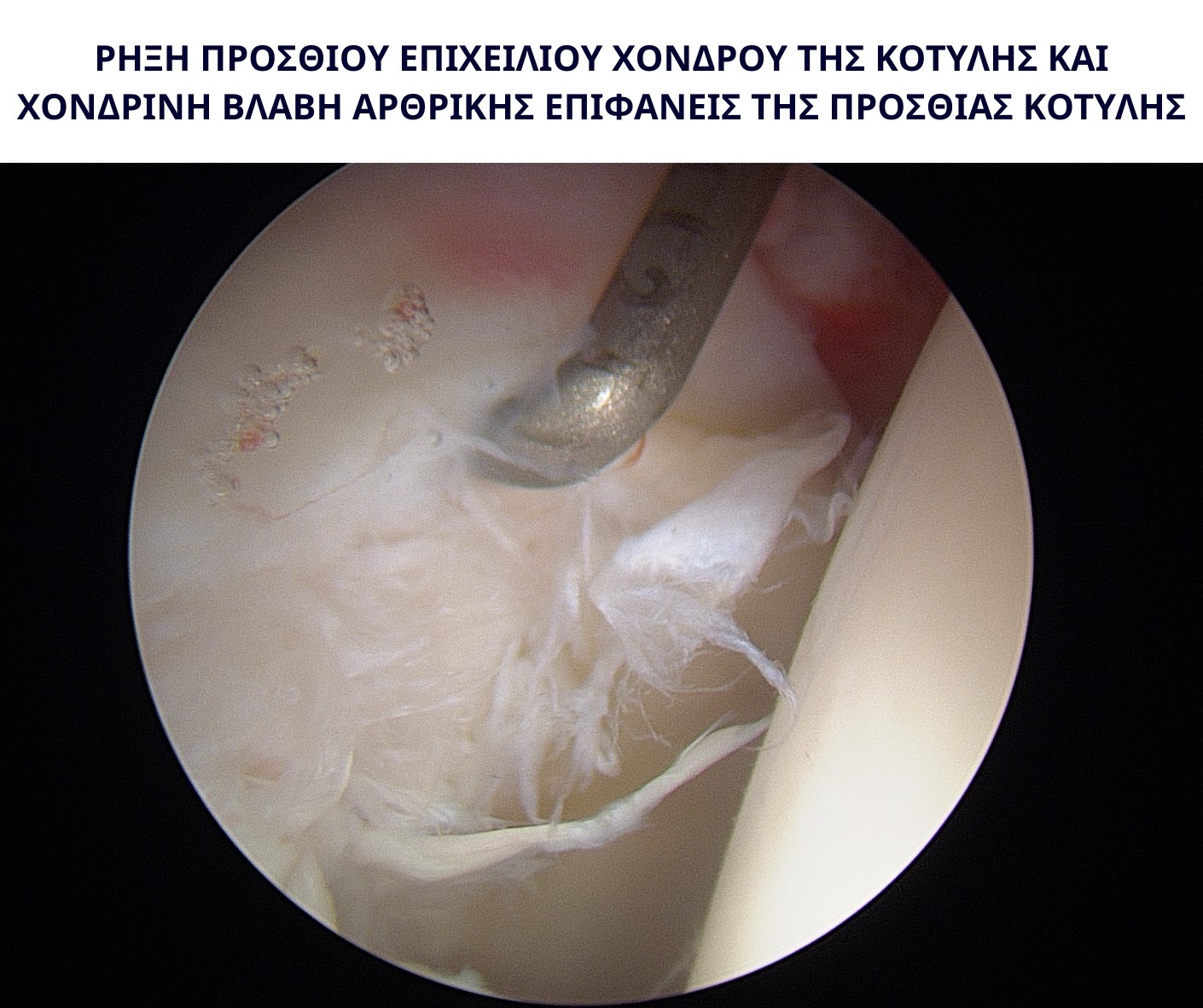
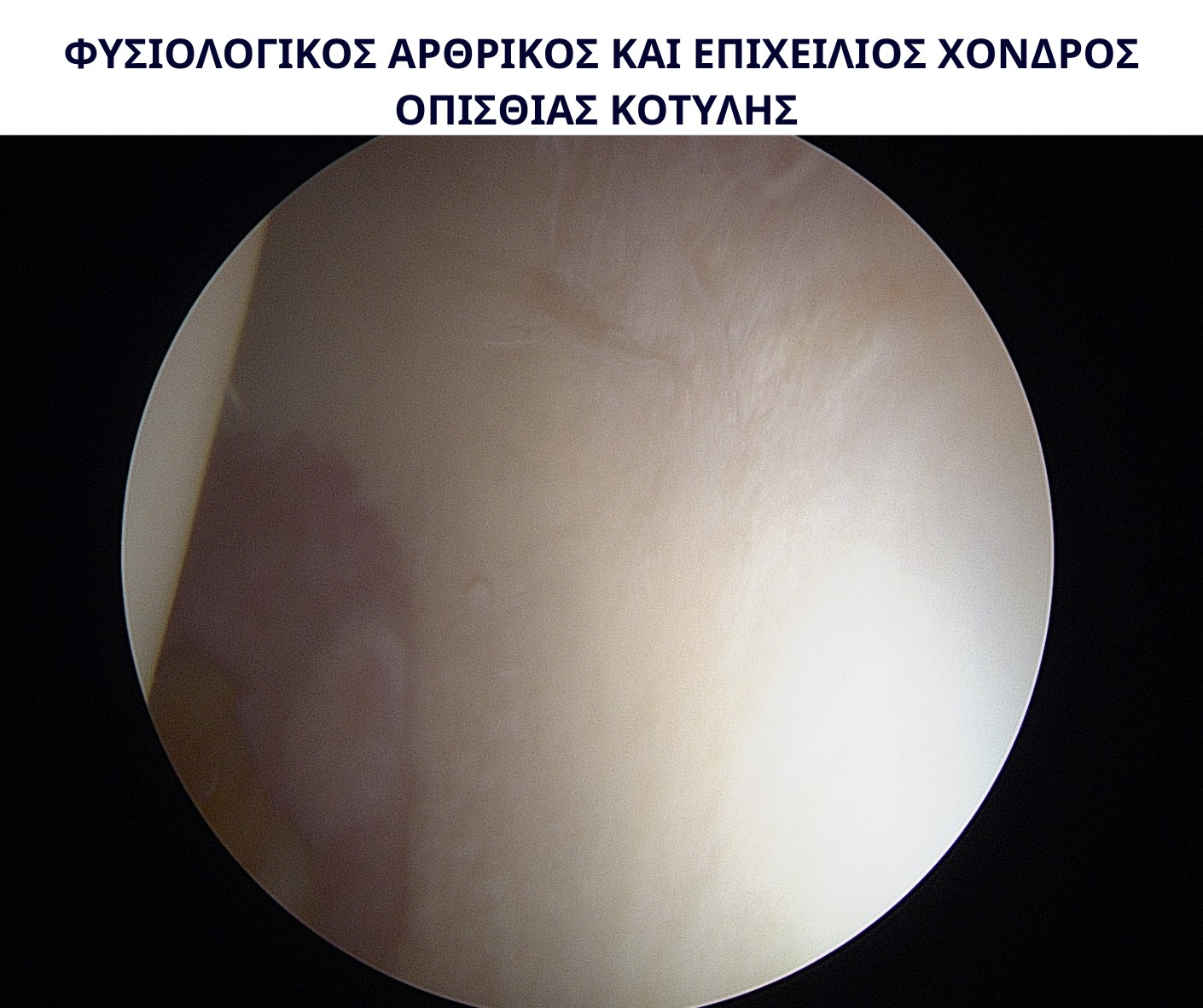
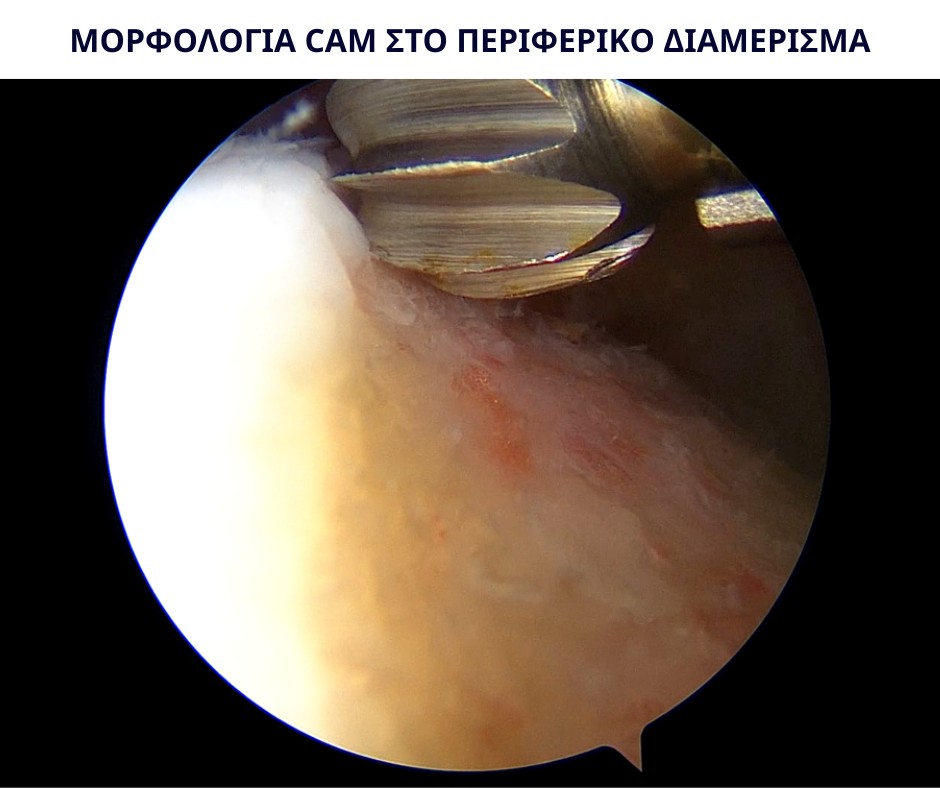
Magnetic resonance imaging (MRI) is considered the diagnostic modality of choice for detecting acetabular labral tears. However, it has been observed that MRI does not demonstrate 100% diagnostic accuracy in all patients. A characteristic example is that of a 27-year-old patient who had been experiencing persistent hip symptoms for more than five years. MRI findings were almost normal, without clear evidence of a labral tear. Nevertheless, the patient exhibited CAM morphology.
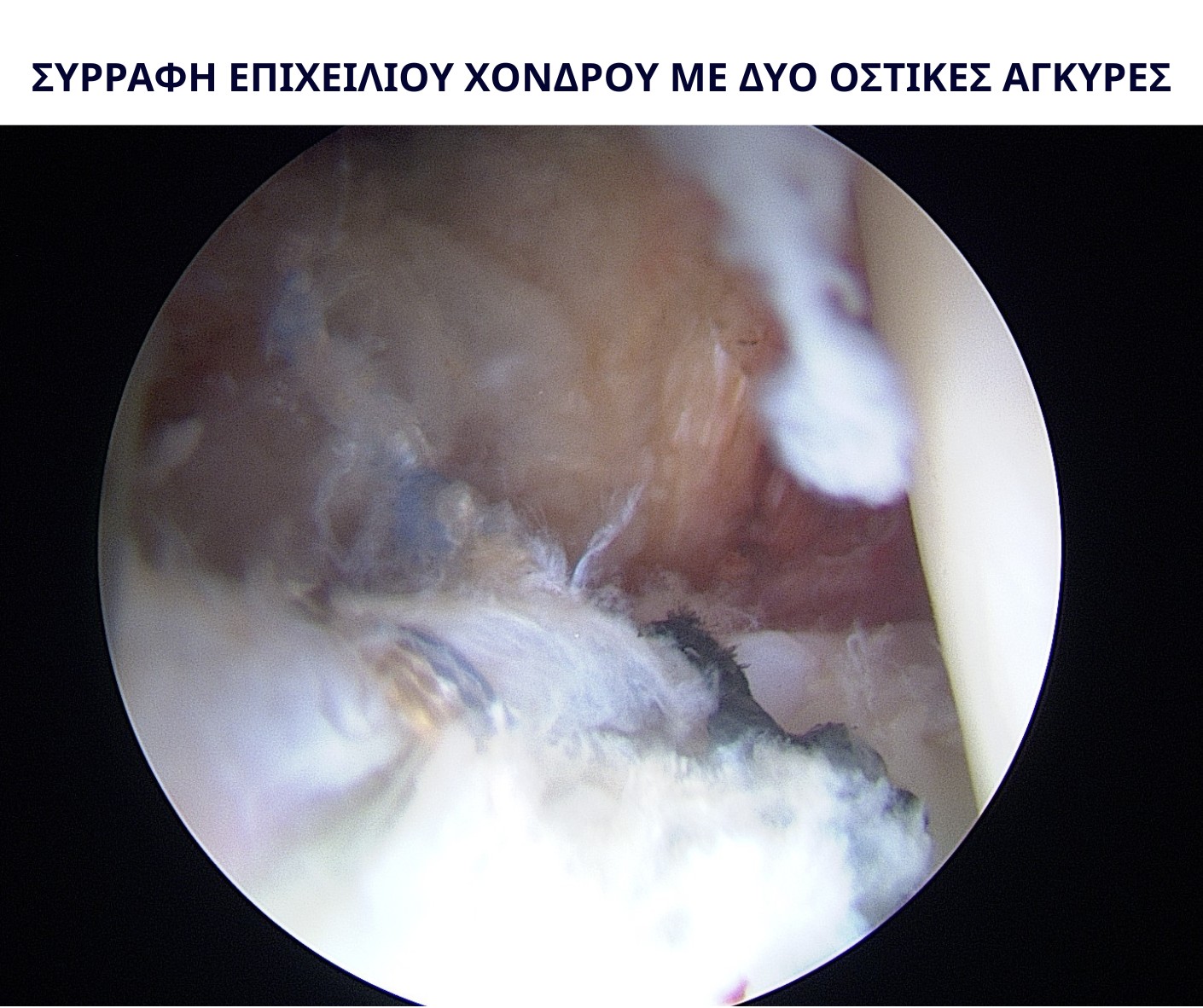
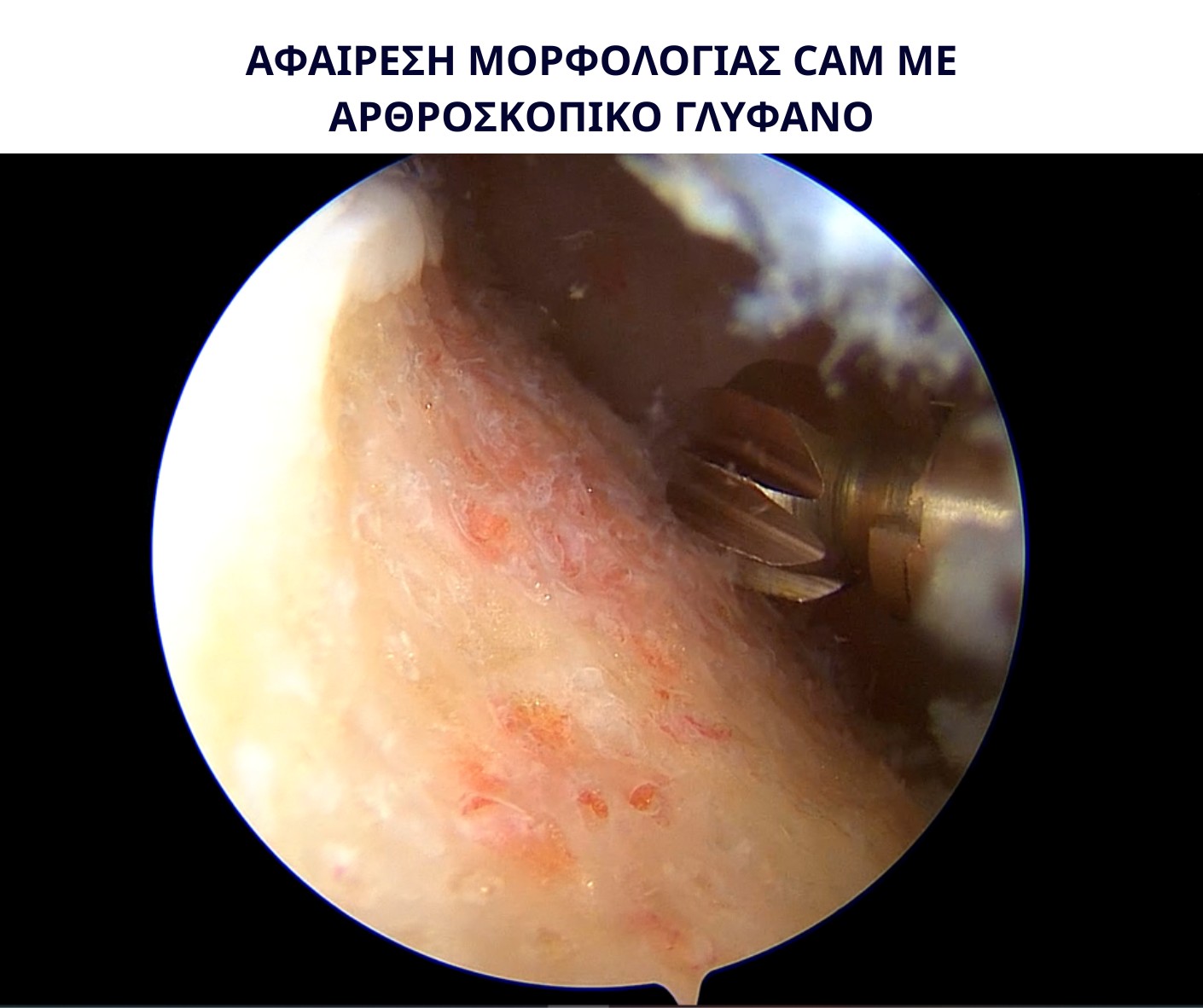
During hip arthroscopy, the CAM lesion was addressed, and upon inspection of the central compartment, a major acetabular labral tear was identified. The tear was successfully treated with labral repair using suture anchors.
In conclusion, not all acetabular labral tears are visible on MRI, and the surgeon should maintain a high index of suspicion when patient symptoms are consistent with femoroacetabular impingement morphology, whether CAM or PINCER type.