News and Announcements
Case Presentation: Robotic-Assisted Total Hip Arthroplasty in a 48-Year-Old Patient with Post-Traumatic Hip Osteoarthritis
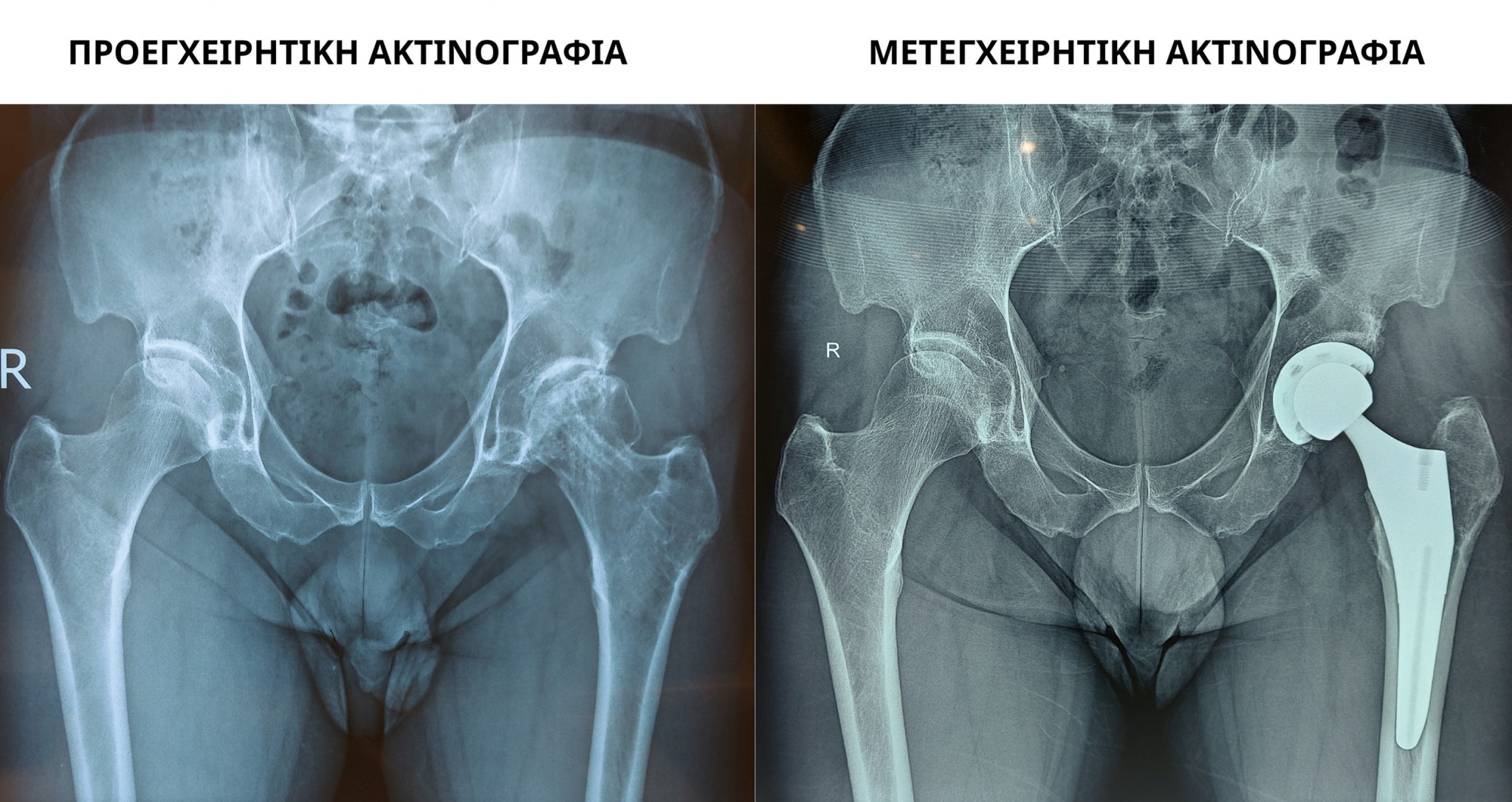
A 48-year-old patient with a history of a left femoral fracture approximately ten years ago, which had been treated surgically, presented with progressive deterioration of the left hip joint. The previous injury led to premature joint degeneration, resulting in advanced osteoarthritis at a relatively young age. Despite prolonged conservative treatment efforts, the pain remained persistent, and symptoms became increasingly severe. Over the last few months, the patient developed a pronounced limp, significantly affecting daily activities and overall quality of life. For this reason, he decided to proceed with total hip arthroplasty in order to replace the damaged joint, restore pain-free function, and improve his quality of life.
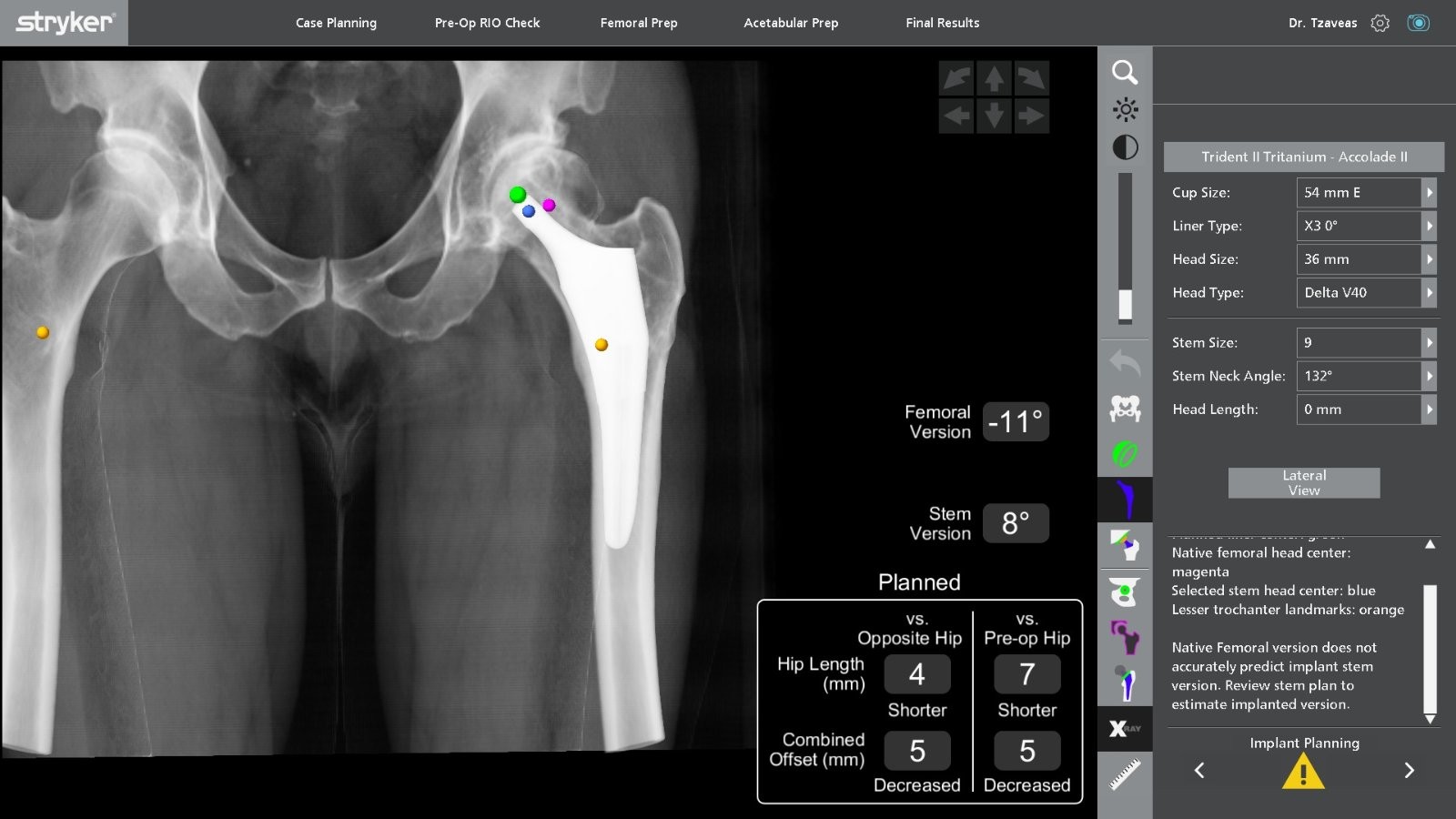
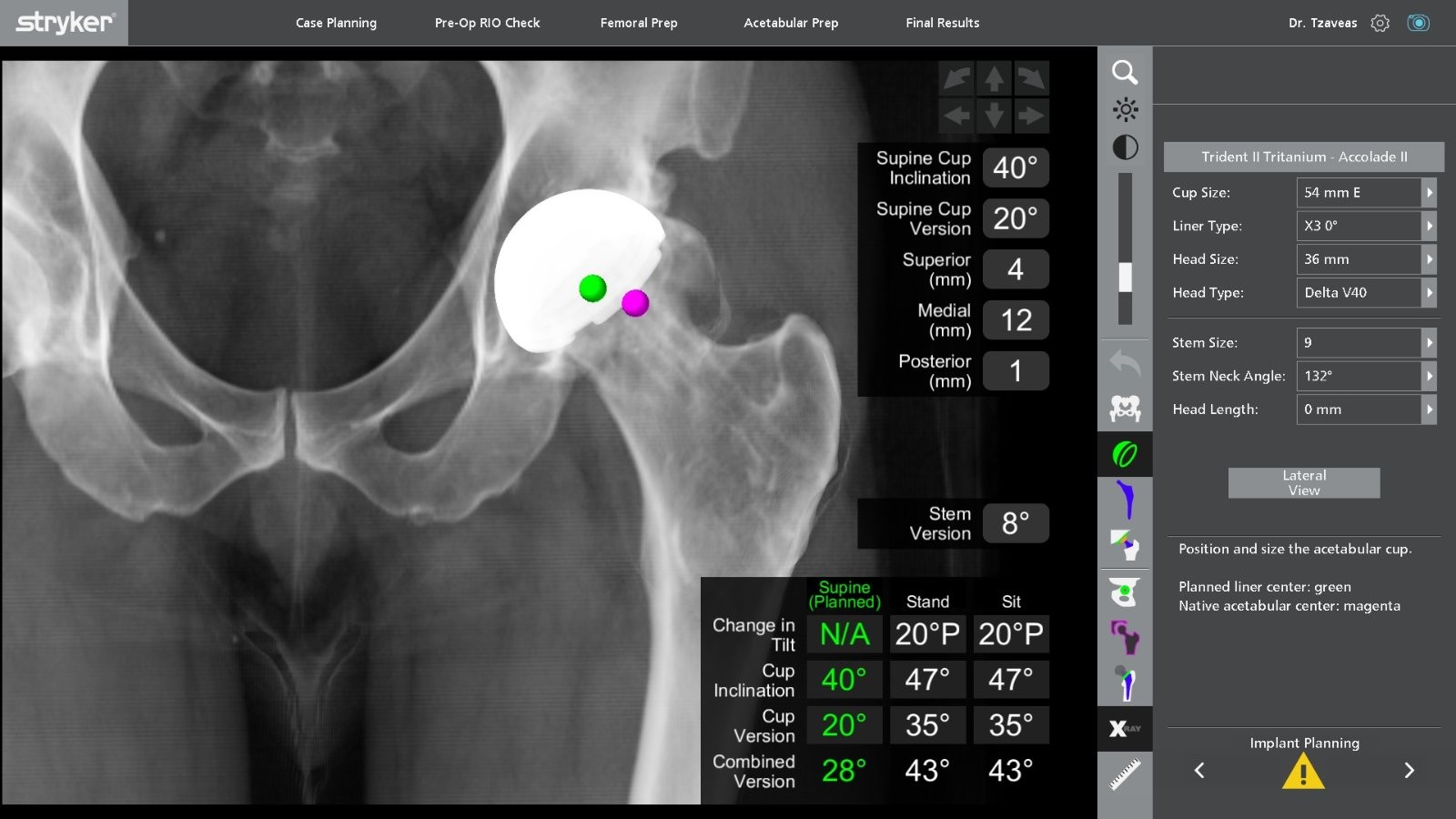
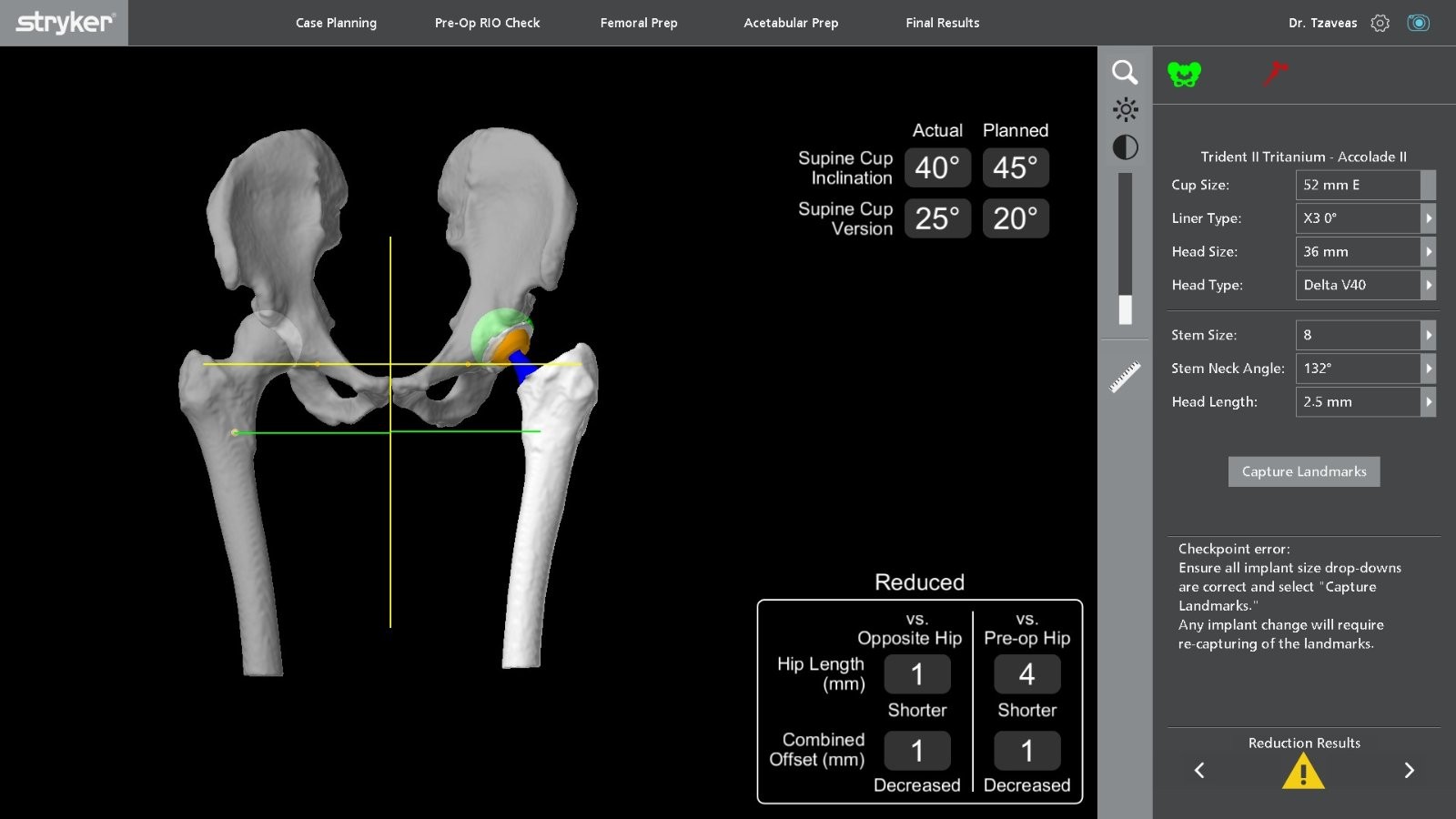
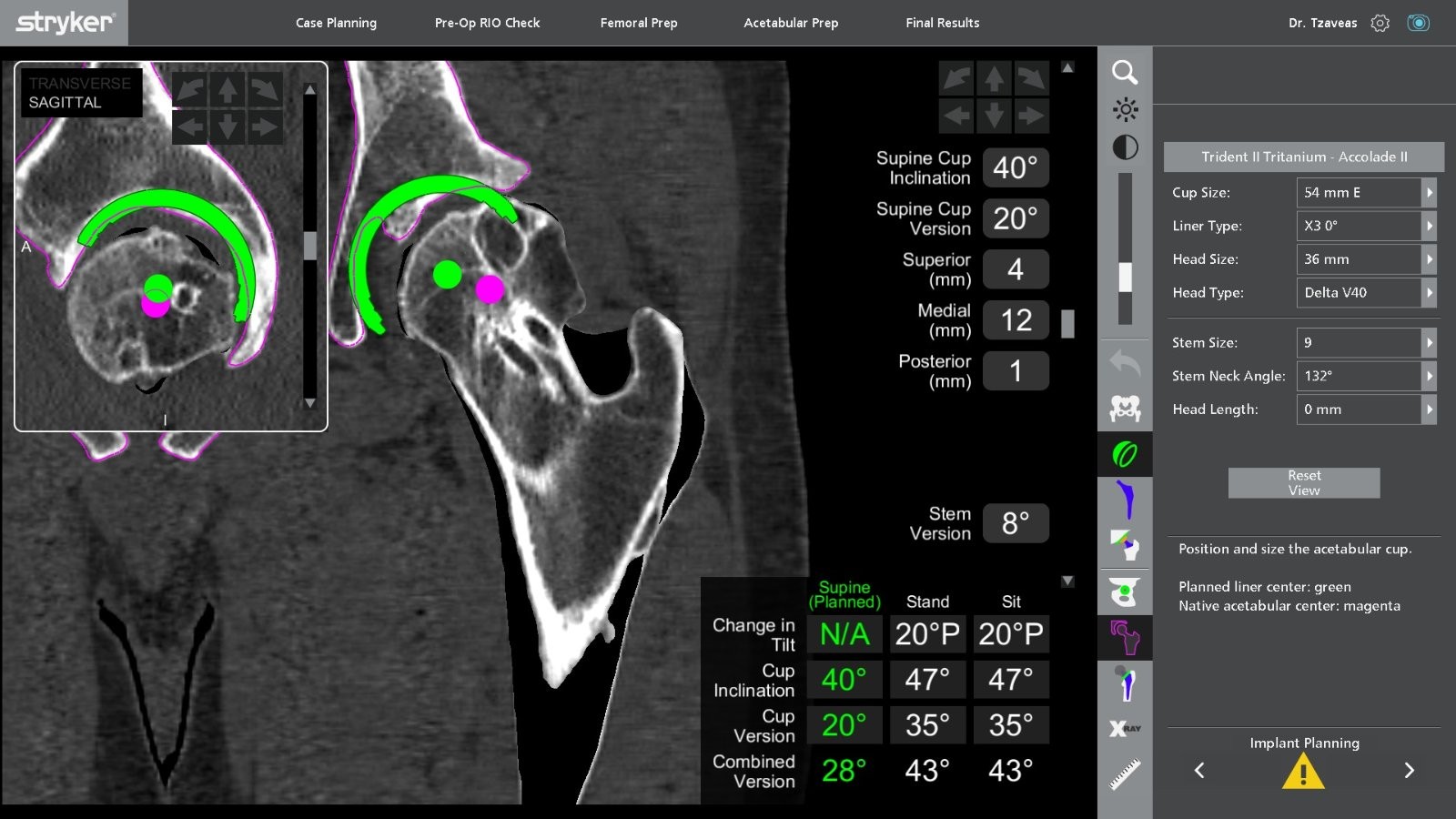
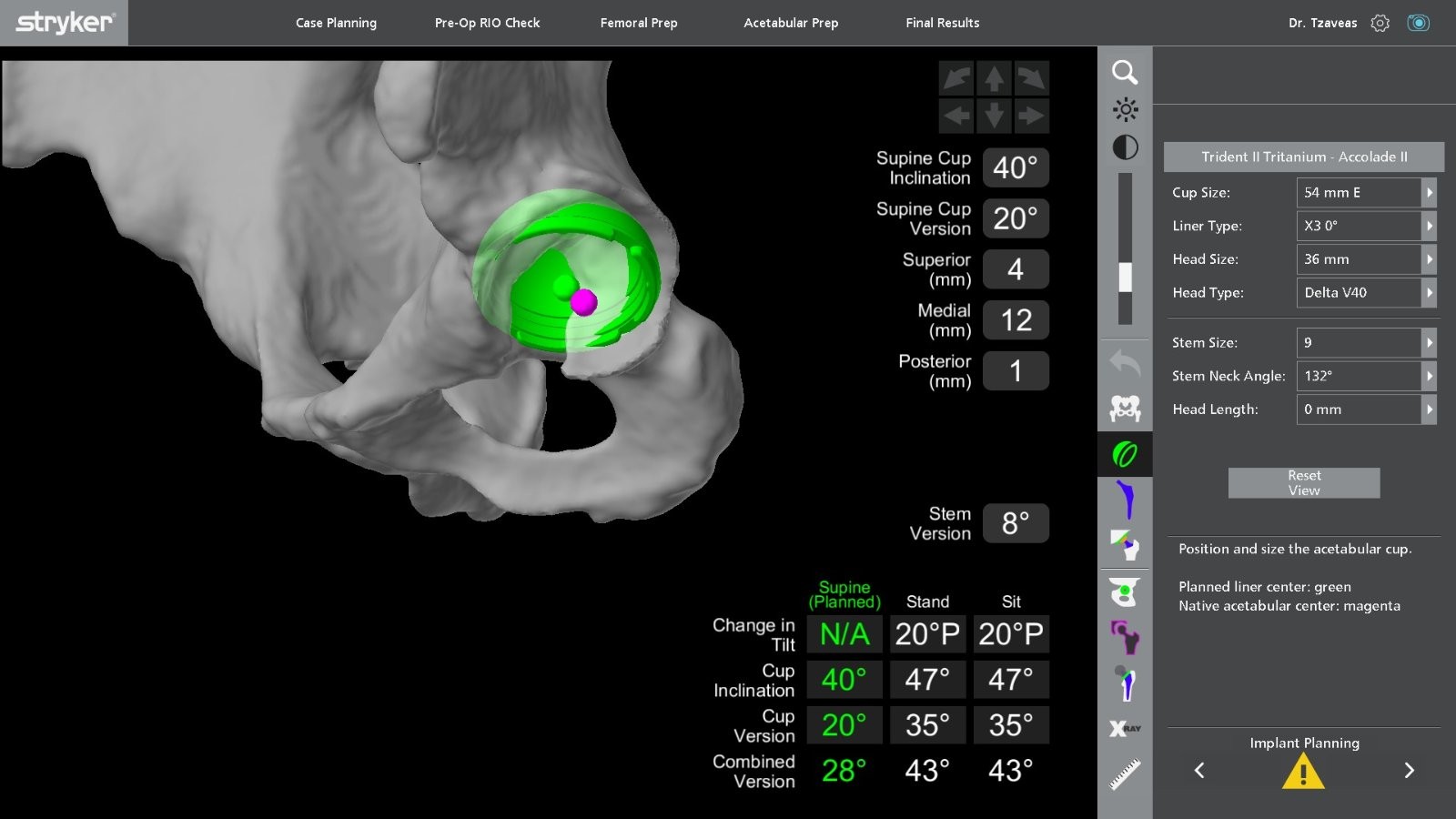
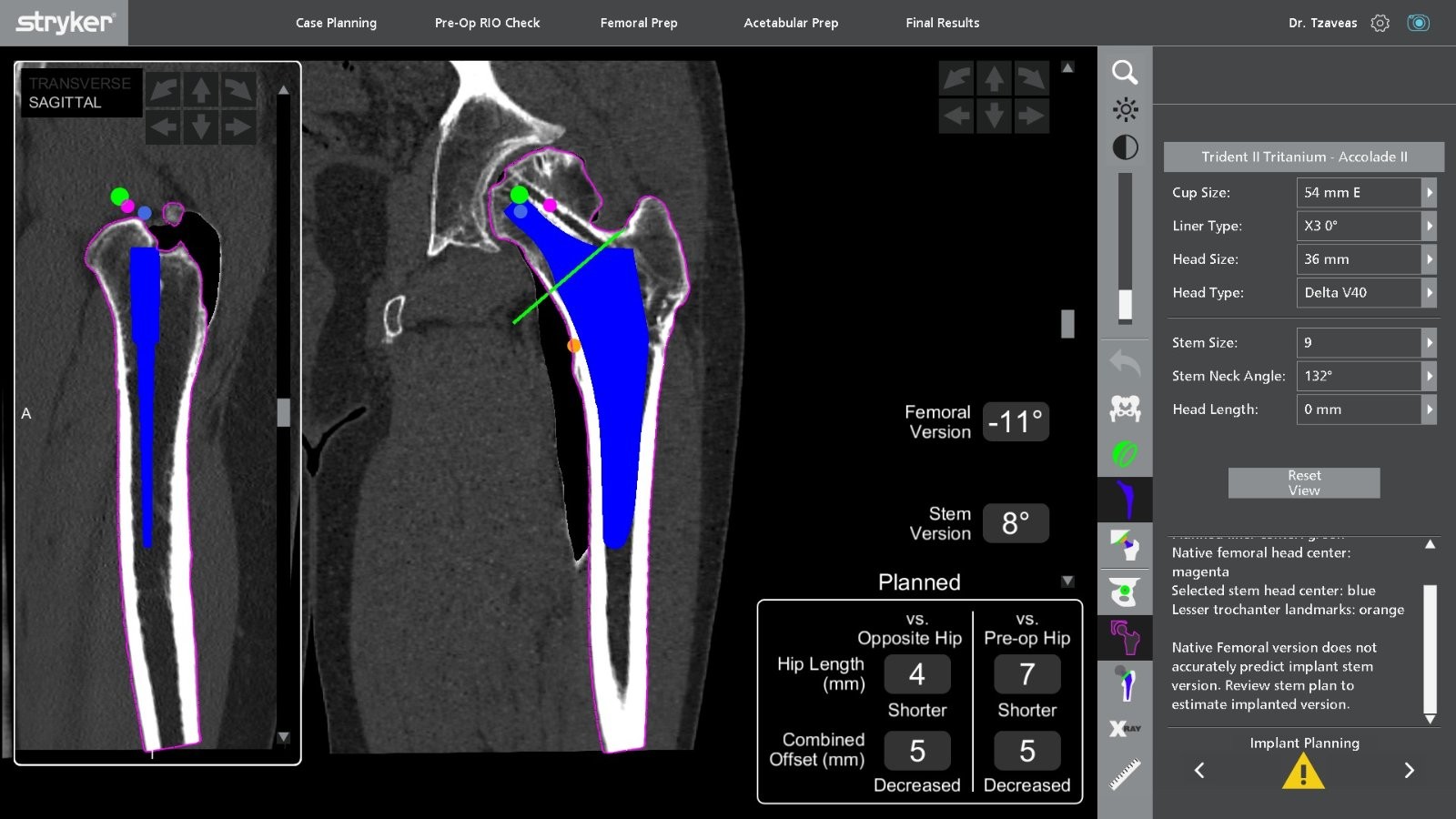
The patient chose the technique of robotic-assisted hip arthroplasty, one of the most advanced developments in hip surgery in recent years. This method offers highly detailed preoperative planning and enhanced surgical safety, minimizing the risk of technical errors through the high level of accuracy provided to the surgeon during the procedure. Precise implant positioning contributes to prosthesis longevity and enhanced surgical safety, minimizing the risk of technical errors through the high level of accuracy provided to the surgeon during the procedure. Precise implant positioning contributes to prosthesis longevity and ensures comfort and a high level of functionality during walking.
The surgery was performed using the MAKO robotic system (Stryker). Optimal implant placement was achieved, allowing for very rapid postoperative mobilization with minimal pain. The patient was able to return home the day after surgery.