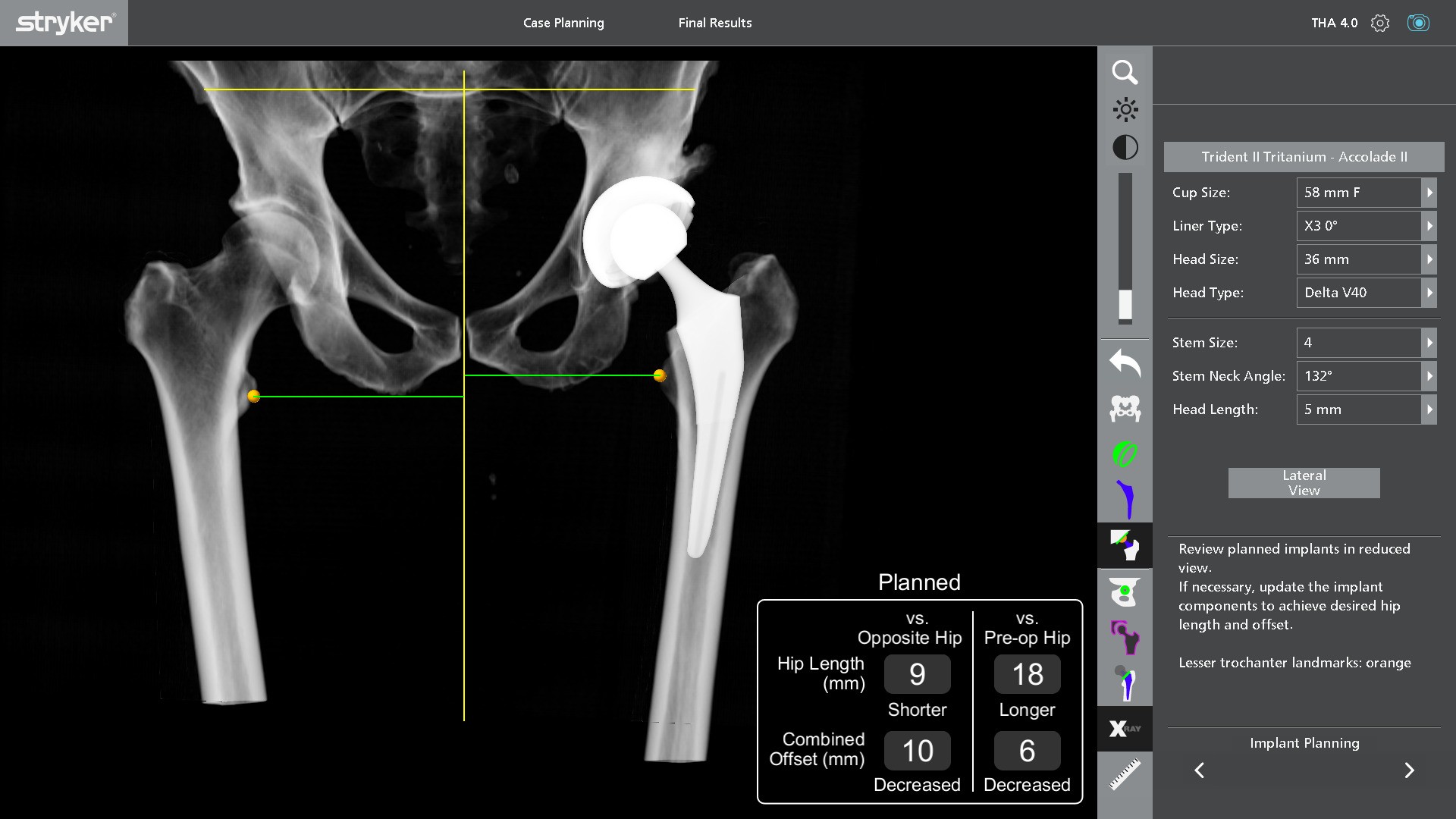
News and Announcements
Case of a 52-year-old patient with advanced secondary osteoarthritis of the left hip, following childhood trauma, treated with Mako robot-assisted total hip arthroplasty
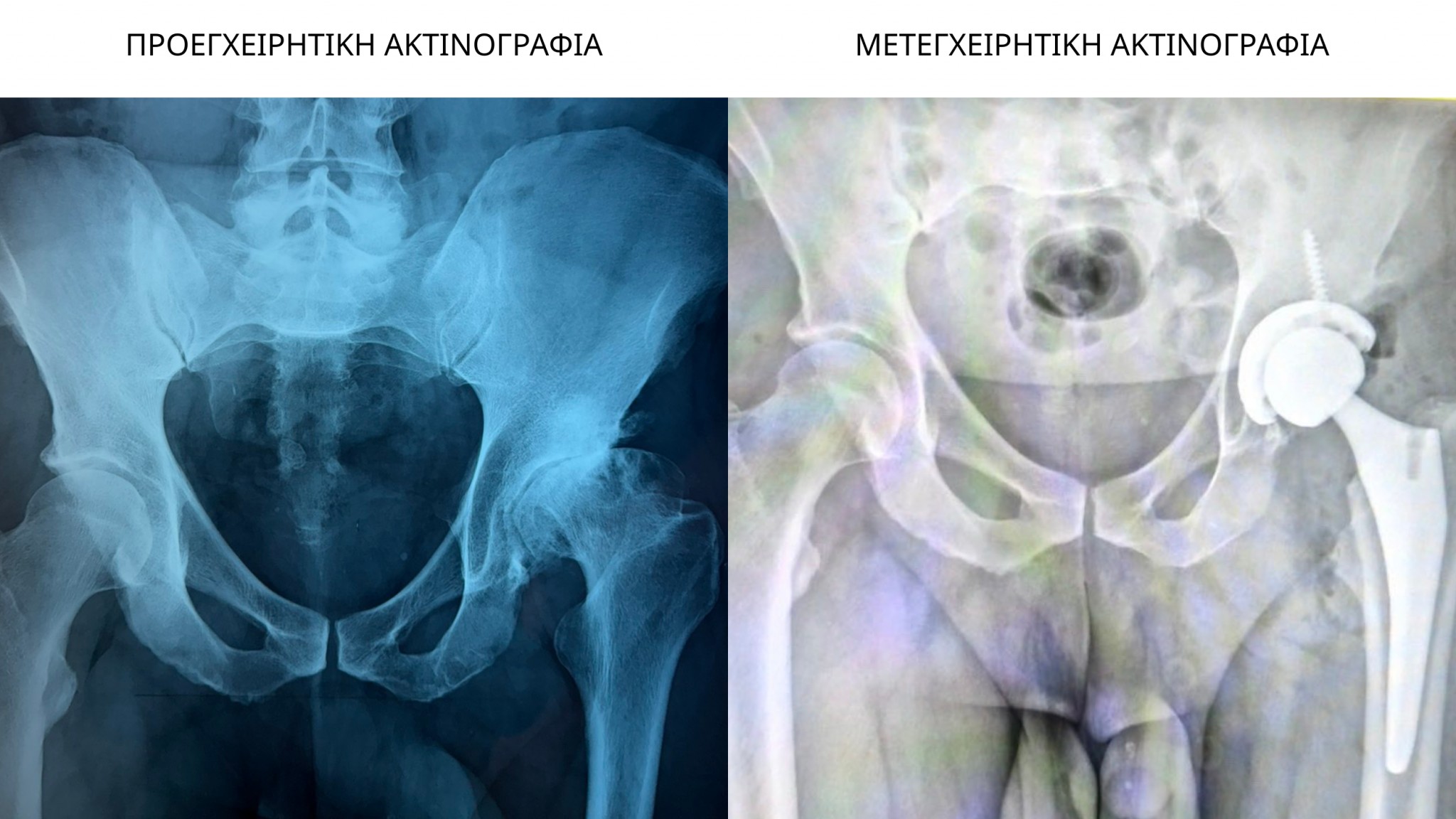
A 52-year-old patient with advanced degenerative disease of the left hip had sustained a traumatic hip dislocation during childhood, which was managed conservatively with prolonged immobilization in a cast. For many years, the patient remained functional and active; however, after the age of 30, progressive hip pain began to develop.
In recent months, the clinical condition significantly deteriorated, with marked limping, difficulty in ambulation, and substantial limitation in daily activities.
Imaging evaluation revealed:
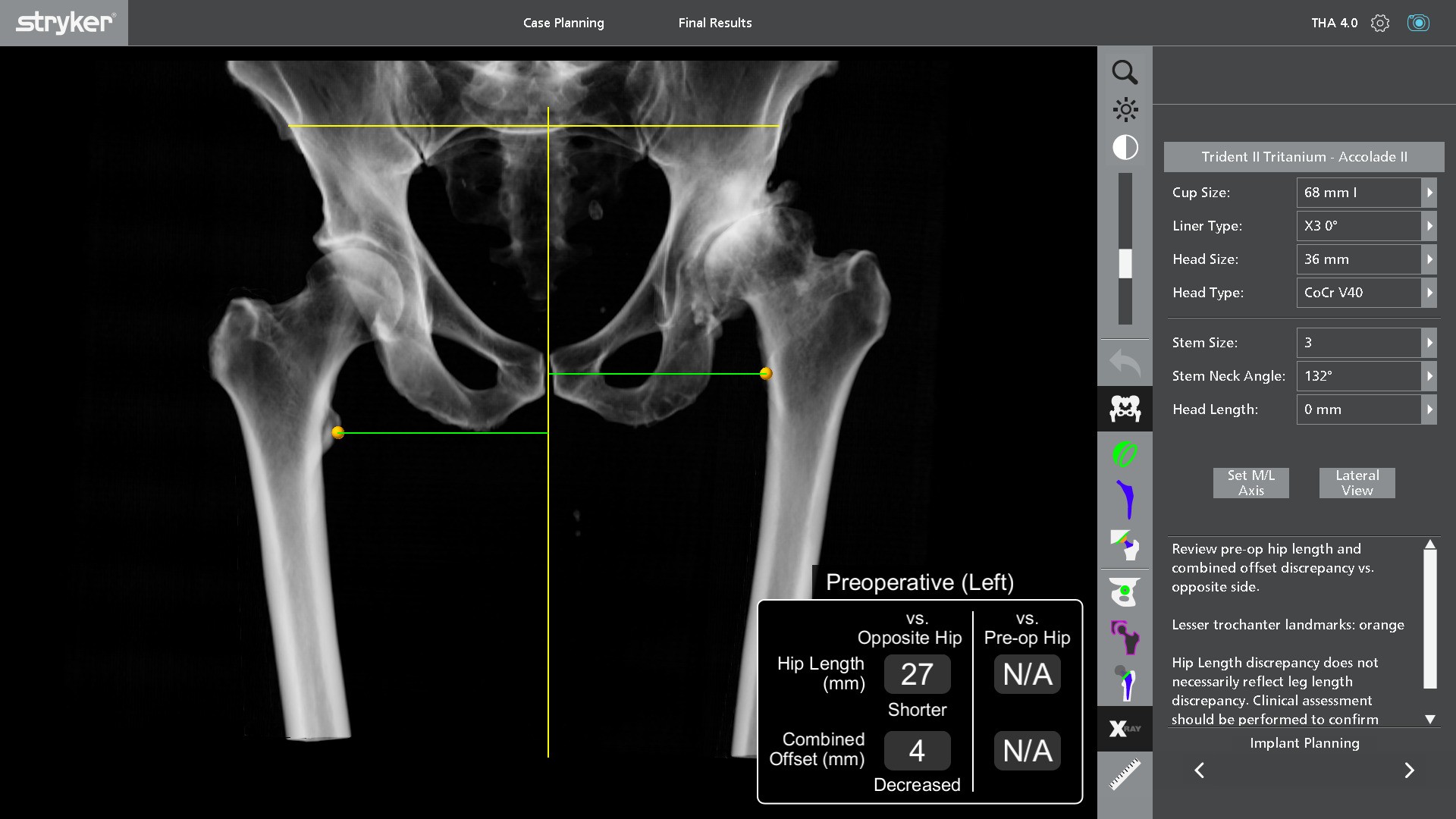
- Severe osteoarthritic changes of the joint
- Deformity of the femoral head
- Development of a central acetabular osteophyte
These findings were consistent with advanced post-traumatic osteoarthritis of the hip.
Surgical management with robotic assistance
The patient underwent robot-assisted total hip arthroplasty using the MAKO Robotic-Arm Assisted Surgery System.
The procedure was considered technically demanding due to joint deformity and the need for precise restoration of normal anatomy. Particular emphasis was placed on:
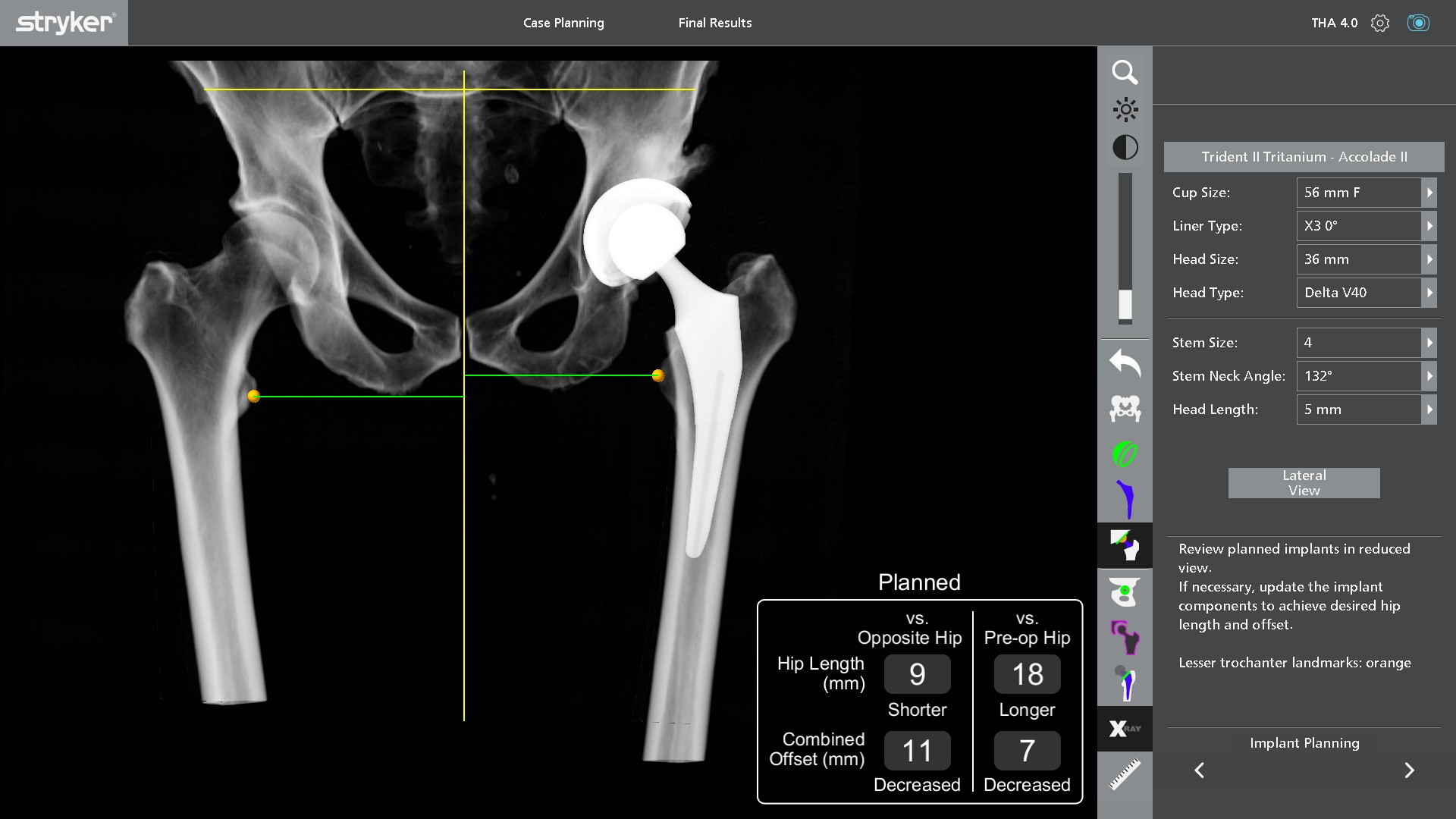
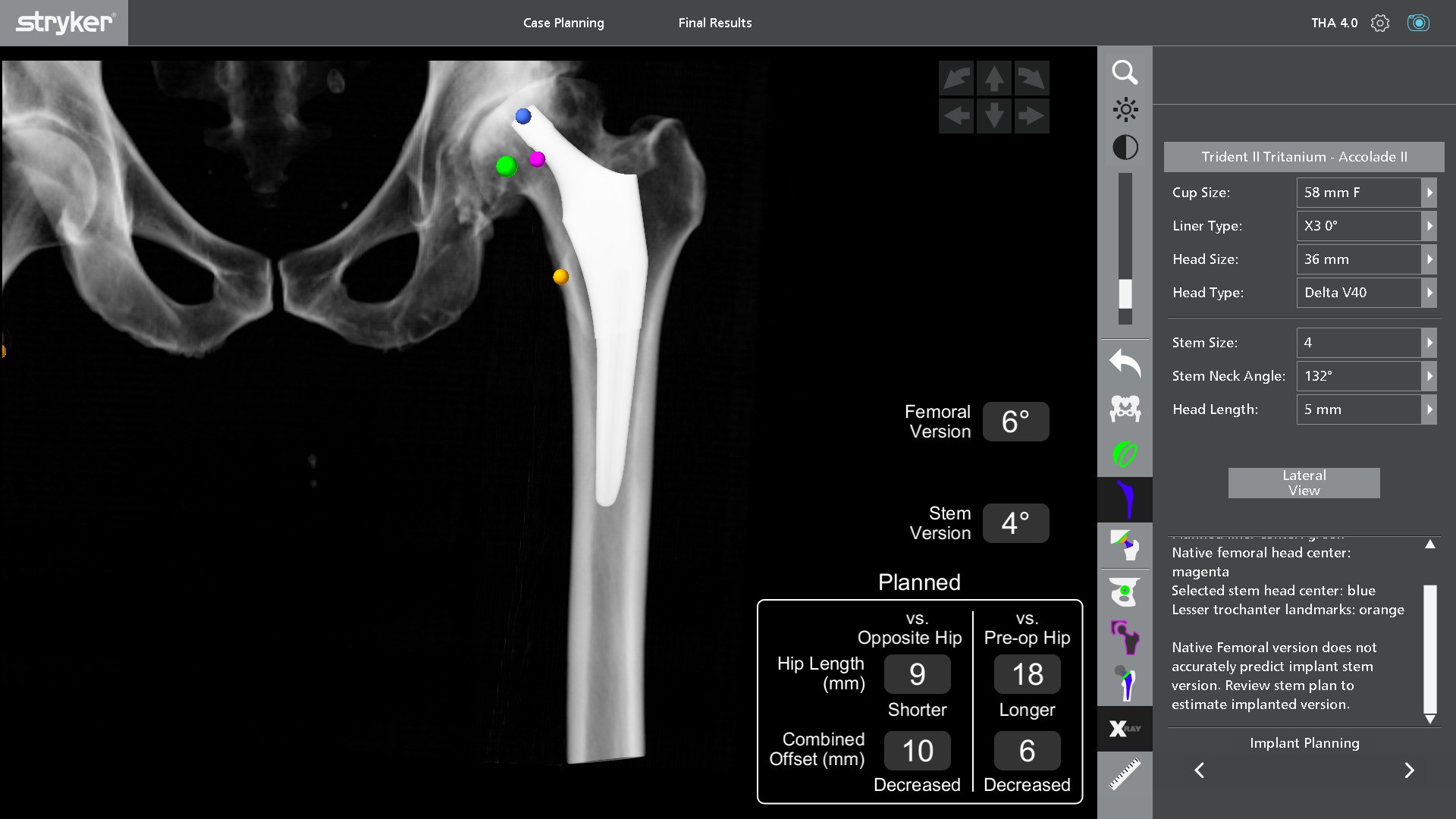
- Restoration of the hip center of rotation
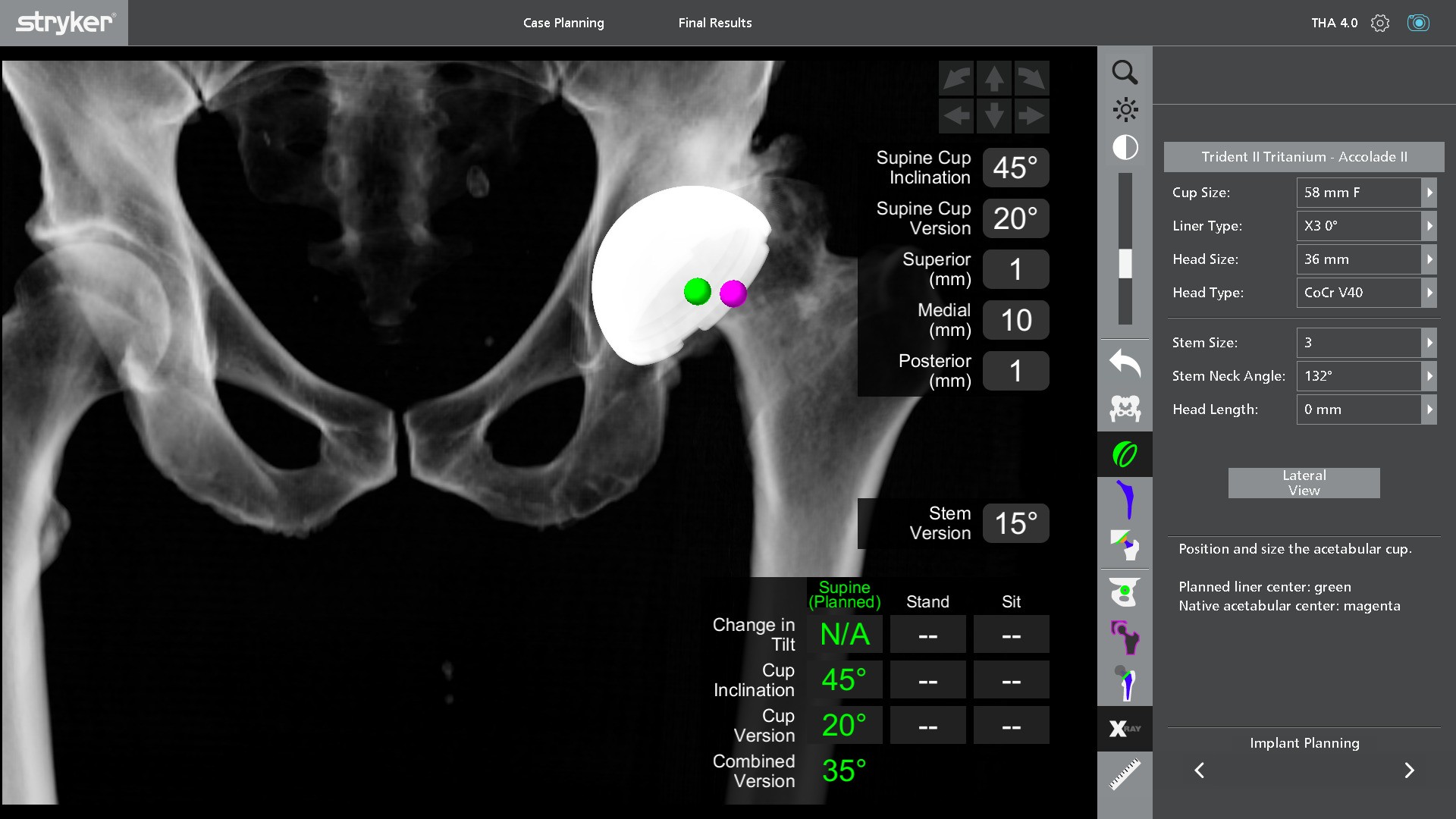
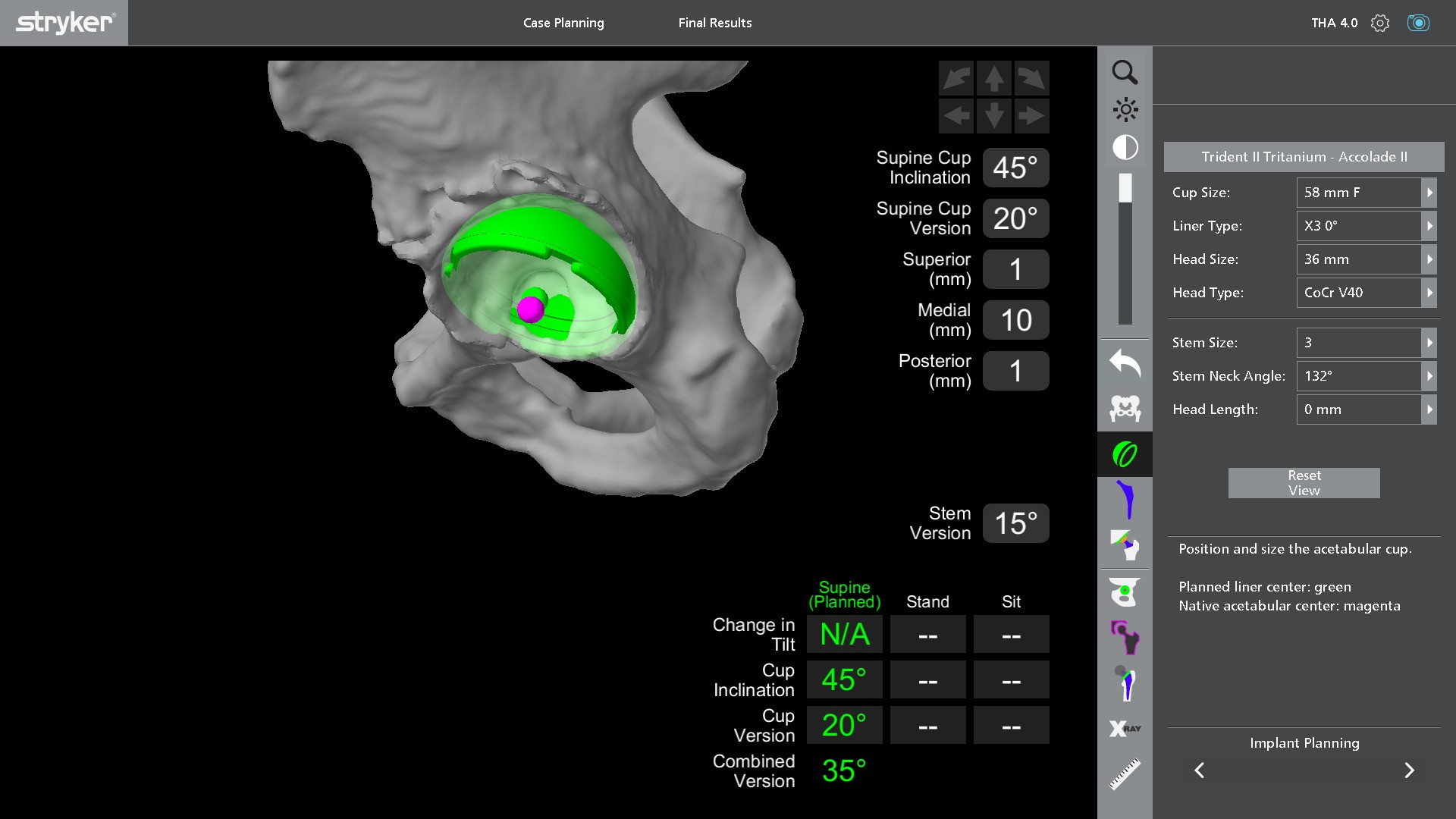
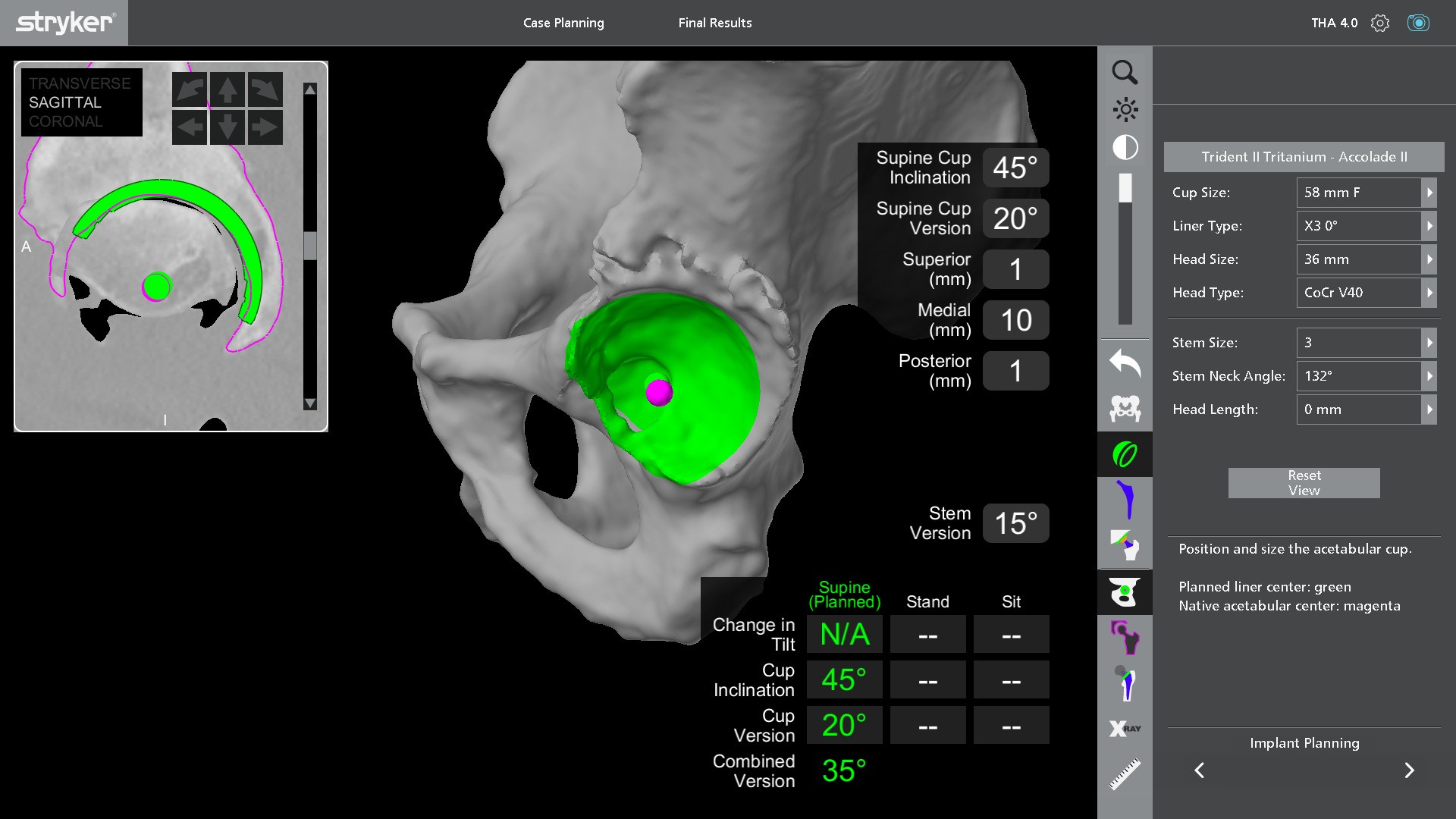
- Accurate placement of the acetabular component and depth of implantation
- Overall restoration of joint biomechanics
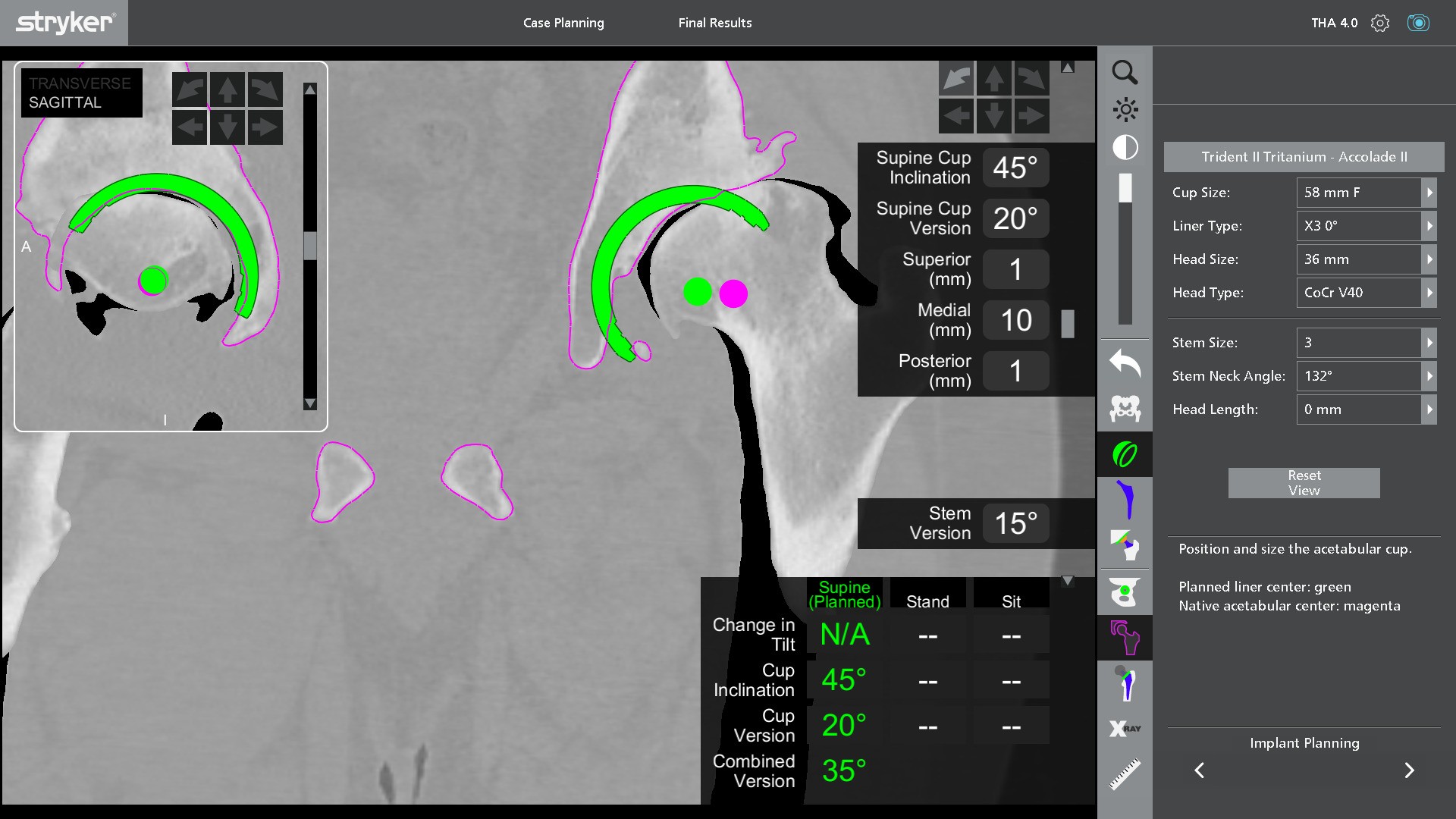
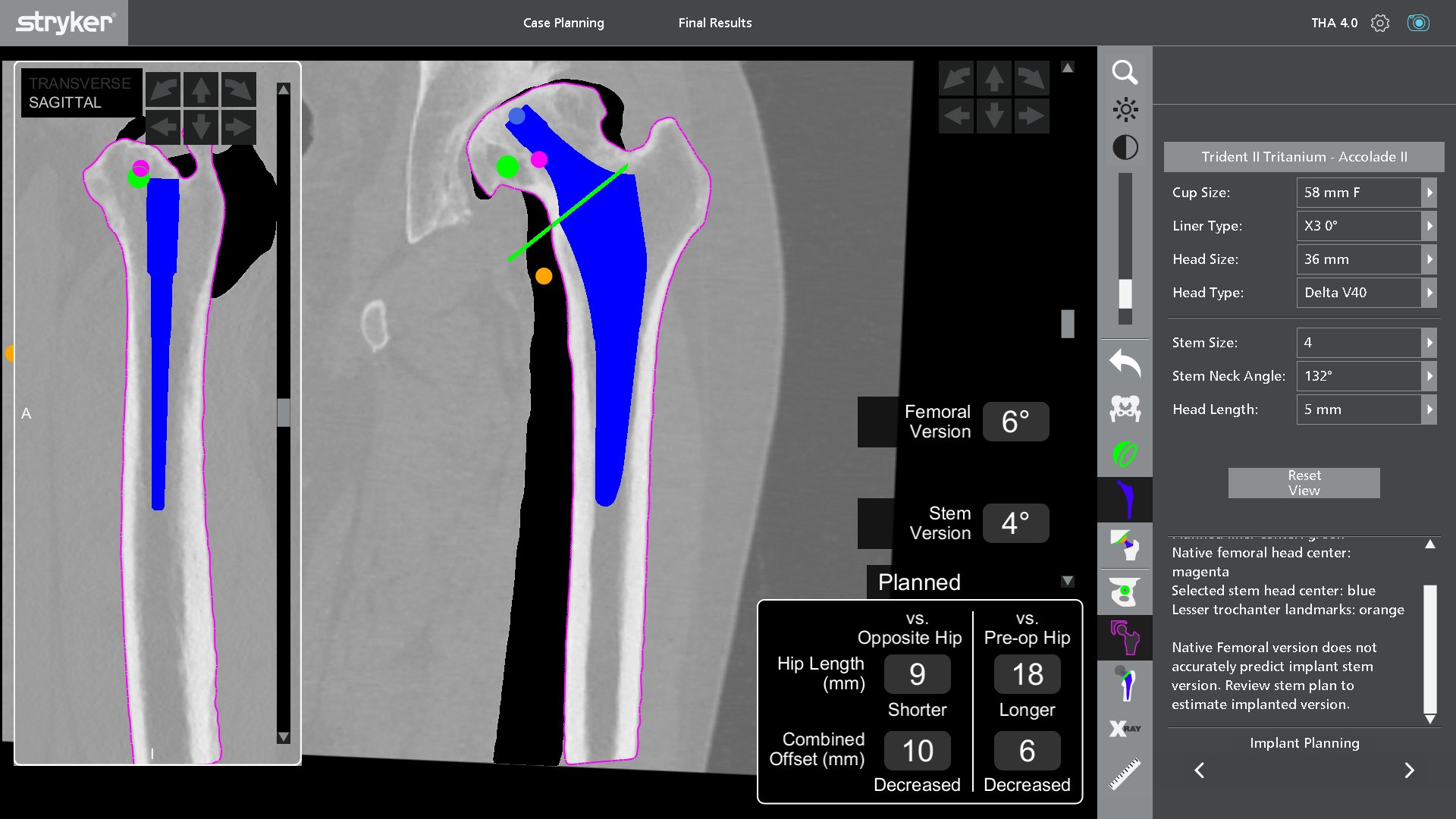
The surgery was performed based on preoperative CT planning, allowing three-dimensional anatomical analysis and precise implant positioning.
During the procedure, the robotic system provided real-time, three-dimensional guidance, contributing to high accuracy in implant placement and optimal functional restoration of the hip.
Benefits of robot-assisted hip arthroplasty:
- Precise restoration of joint anatomy
- Optimization of implant positioning
- Reduced risk of complications
- Improved functional outcomes and faster recovery
Conclusion
Robot-assisted hip arthroplasty represents a valuable tool in the management of complex cases of advanced hip osteoarthritis, particularly when anatomical deformities from previous trauma are present.